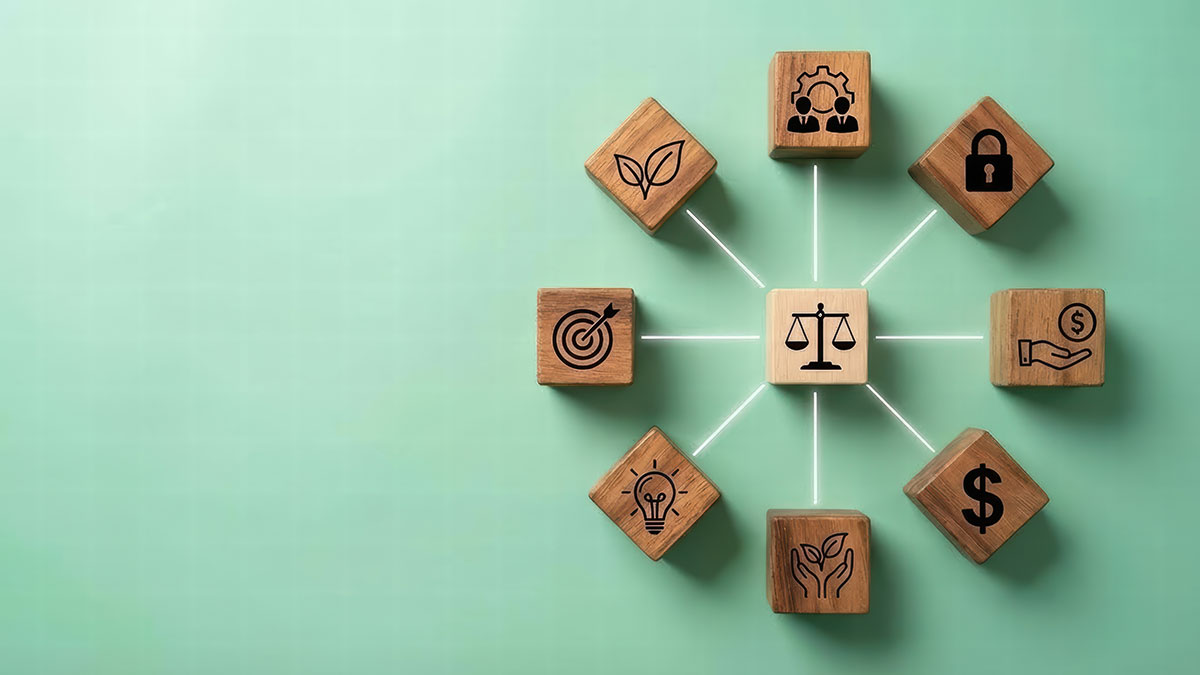
The Importance of Ethics in Business
Ethics in business is more than a set of rules or compliance standards. It is the foundation of trust, credibility, and long-term success. Companies that operate with integrity create environments where employees, customers, and partners feel secure and valued.
Throughout my career, I have seen the impact of strong ethics in action. When decisions are guided by values and accountability, organizations thrive. On the other hand, ignoring ethics can lead to reputational damage, legal issues, and a loss of trust that takes years to rebuild.
“Ethics is not a luxury in business,” I often say. “It is the framework that ensures every decision aligns with both law and values.”
Lessons From Leadership Roles
My career began in accounting, where accuracy and attention to detail were critical. Later, I transitioned into law and corporate governance. In my role as Associate General Counsel, I oversaw securities, corporate governance, ethics, compliance, and the company’s trademark portfolio.
In these positions, I learned that corporate ethics is not just about avoiding mistakes. It is about creating a culture where employees are empowered to speak up, make decisions responsibly, and act with integrity. Leadership sets the tone, and the actions of executives influence the entire organization.
“Employees mirror the values they see in leadership,” I explain. “Ethical behavior must start at the top.”
Governance Builds Structure and Accountability
Corporate governance provides the structure and processes to ensure decisions are made responsibly and in line with organizational goals. It includes clear policies, defined roles, and transparent reporting. Good governance protects the company, its employees, and its stakeholders.
When governance is strong, risks are identified early, and decisions are made with consideration for long-term outcomes. It helps avoid conflicts of interest, encourages compliance with regulations, and strengthens investor confidence.
“Governance is the framework that makes ethics actionable,” I often say. “Without it, even the best intentions can fall short.”
The Role of Women in Ethical Leadership
Women in leadership roles bring unique perspectives to corporate ethics and governance. Research shows that organizations with diverse leadership teams often make more inclusive and transparent decisions. Women leaders tend to emphasize collaboration, accountability, and communication, which strengthens the ethical foundation of any business.
In my experience, female leaders contribute to a culture that values long-term success over short-term gains. They model integrity in decision-making and encourage others to consider multiple viewpoints before acting.
“Diverse leadership leads to better governance,” I believe. “It ensures that ethics is not just a policy, but a practiced value.”
Building a Culture of Integrity
Ethics and governance are effective only when they are embedded in the culture. Employees must feel safe to report concerns, ask questions, and suggest improvements without fear of retaliation. A culture of integrity is built through consistent actions, transparent communication, and recognition of ethical behavior.
Mentorship is also critical. Guiding team members on ethical decision-making and compliance strengthens the entire organization. Teaching new employees how to navigate complex situations reinforces the principles of good governance.
“Culture drives behavior,” I often say. “Strong ethics take root when people understand that integrity is valued and expected.”
Facing Ethical Challenges
Every organization faces ethical challenges at some point. These challenges can be complex, involving legal, financial, and operational considerations. Navigating them requires careful thought, consultation, and a commitment to the company’s values.
Ethical challenges are opportunities to demonstrate leadership. They reveal the character of both individuals and the organization. Leaders who act with integrity in difficult situations earn lasting trust and respect from employees and stakeholders alike.
“Ethics is tested during challenges,” I reflect. “How we respond defines the organization more than any policy can.”
The Business Case for Ethics and Governance
Strong ethics and governance are not just moral imperatives. They are good business practices. Companies with ethical cultures tend to experience higher employee engagement, stronger customer loyalty, and better long-term performance. Investors and partners are more likely to trust businesses that consistently demonstrate integrity.
Good governance also reduces risk. Policies, reporting structures, and oversight mechanisms ensure that potential problems are identified and resolved before they escalate. Companies that prioritize ethics and governance are better prepared for regulatory changes, economic shifts, and public scrutiny.
“Ethical businesses are sustainable businesses,” I often remind others. “Trust and transparency are essential for long-term growth.”
Advice for Leaders
For leaders at any level, my advice is simple. Prioritize ethics in every decision, model integrity through actions, and build governance structures that support accountability. Encourage employees to speak up, ask questions, and engage with compliance initiatives.
Professional development, mentorship, and ongoing dialogue about ethics are essential. Leaders must also recognize that fostering a culture of integrity is an ongoing effort. It is not a single initiative, but a consistent commitment.
“Ethics and governance are not one-time tasks,” I tell others. “They are practices that shape the entire organization over time.”
Final Thoughts
Corporate ethics and governance are more important now than ever. Businesses operate in complex environments where decisions have wide-ranging impacts. Leaders who prioritize integrity create resilient organizations capable of weathering challenges while maintaining trust and credibility.
From my experience, ethics and governance are inseparable from leadership. They are not abstract concepts but practical tools that guide behavior, support decision-making, and ensure sustainable growth.
“Leading with integrity is about more than following the rules,” I conclude. “It is about building organizations where people feel valued, decisions are transparent, and every action reflects the values of the business.”